
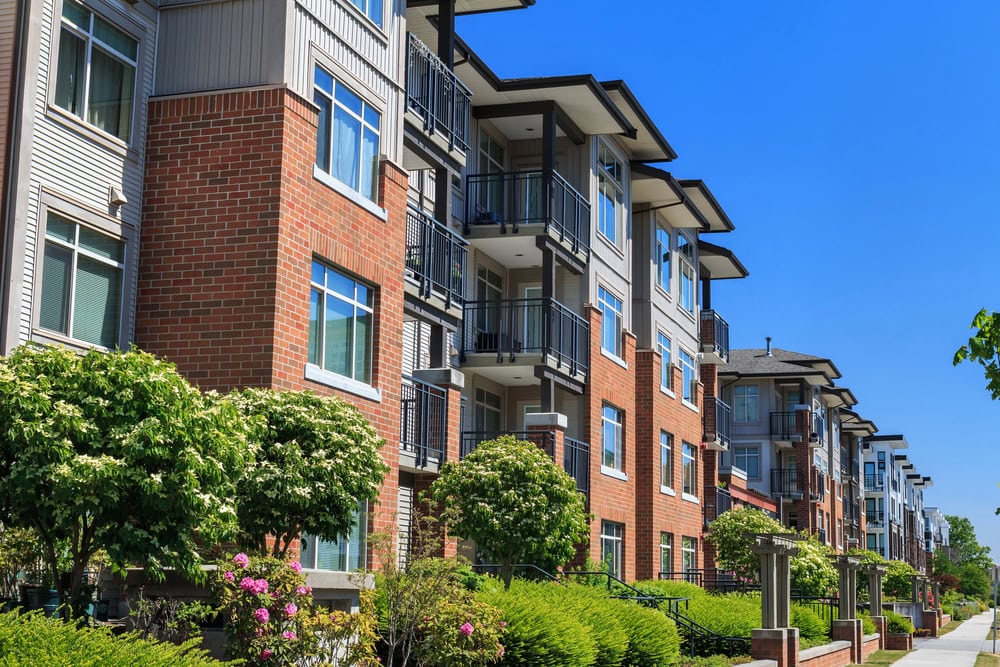

Hot Water Extraction: The Right Carpet Cleaning Method for High Traffic Buildings
Hot water extraction gets called steam cleaning by a lot of people, though there’s no actual steam involved. It’s the method most commercial property owners picture when they think about a deep carpet clean, and for buildings with steady foot traffic, it’s usually the right call. If your lobby carpet is showing traffic lanes, or tenants are starting to mention the smell near the elevators, hot water extraction is probably the fix you’re looking for, not another vacuum pass.
Here’s what we’ll cover:
- How hot water extraction actually works
- Why it’s the standard for high traffic commercial buildings
- How it compares to encapsulation and other low-moisture methods
- How often commercial carpet should be deep cleaned
- What to expect from a professional service
How Hot Water Extraction Actually Works
Hot water extraction applies a heated cleaning solution deep into the carpet fibers under pressure, agitates it to break down embedded soil, and then extracts the water and dissolved dirt back out with a powerful vacuum. Done properly, it removes the kind of ground-in grime that daily vacuuming never touches, oils, dust, allergens, and the fine grit that gets tracked in on shoes.
The method is defined under IICRC S100, the industry standard for professional carpet cleaning, which sets out the procedures and performance expectations for hot water extraction alongside other approved methods. A properly trained technician follows a pre-treatment, agitation, extraction, and drying sequence, rather than just running a machine over the surface.
Why It’s the Standard for High Traffic Commercial Buildings
Lobbies, hallways, elevator vestibules, and open office floors see a volume of foot traffic that residential carpet never does. That traffic pushes soil deep into the pile, well below where surface cleaning methods can reach. Hot water extraction is the only method that reliably pulls soil out from that depth, which is why carpet manufacturers often specify it as the required method for maintaining warranty coverage on commercial-grade carpet.
There’s an air quality angle too. Carpet acts like a filter, trapping dust and particulates over time. The EPA’s guide for office building occupants notes that maintenance activities and building materials both factor into indoor air quality, and carpet that’s overdue for a deep clean is exactly the kind of source that keeps recirculating what it’s trapped.
How It Compares to Encapsulation and Low-Moisture Methods
It isn’t the only carpet cleaning method out there, and it’s not always the right one for every situation. Encapsulation and other low-moisture methods dry faster and work well as interim maintenance between deep cleans, especially in spaces that can’t be closed off for several hours. But for heavily soiled traffic lanes, or carpet that hasn’t had a real deep clean in a while, this remains the method that gets the deepest result. Many commercial buildings use both, low-moisture cleaning for regular upkeep and a restorative hot water extraction visit on a less frequent schedule, often once or twice a year depending on how the space gets used.
How Often Should Commercial Carpet Be Deep Cleaned?
The right frequency depends on traffic volume and carpet type, but a reasonable baseline for most commercial buildings is:
- Lobbies and main entrances: every three to four months
- General office floors: twice a year
- Low-traffic areas like boardrooms: once a year
- Buildings under a manufacturer carpet warranty: check your warranty terms, since many require documented hot water extraction on a set schedule
Waiting too long between cleanings makes the job harder and more expensive, since deeply embedded soil is what actually wears down carpet fibers over time. It also shortens the life of the carpet itself, which means an earlier and more costly replacement than the budget originally planned for.
What to Expect From a Professional Service
A commercial-grade job should include pre-treatment for high-traffic areas, proper agitation, thorough extraction, and enough drying time before the space goes back into use. Ask any prospective contractor whether their technicians are IICRC trained, and whether they can work around your building’s hours to minimize disruption to tenants.
At EcoPlanet Property Services, hot water extraction is one of the core methods in our commercial carpet cleaning program across Greater Vancouver, and we schedule around your building’s operating hours so drying time doesn’t disrupt your tenants. You can see more on our carpet cleaning services page, or contact us for a free quote.
One last thing worth mentioning: drying time matters more than people expect. A rushed job that skips proper extraction can leave excess moisture behind, which invites odor and mildew rather than solving it. A well-run deep clean should leave carpet damp, not soaked, and dry within a matter of hours with proper airflow, not days.
To get started, you can visit the janitorial and strata services pages on EcoPlanet.ca or reach out directly in the way that suits you best.
Call 604-565-5238, email team@ecoplanet.ca, or use the contact form at https://ecoplanet.ca/contact-us/ to request a quote or a tailored janitorial services proposal for your Metro Vancouver property. A brief conversation now can set your building up for a cleaner, easier to manage year ahead.