
Quick answer: Hot water power washing is the right choice when a surface has grease, oil, gum or other sticky residue, because heat breaks down what cold water just pushes around. Cold water is fine for loose dirt, mud, pollen and general grime. Most commercial and strata properties in Metro Vancouver need both, on different parts of the site.
Facility managers often get quotes that say “power washing” without saying whether the crew is bringing heated equipment. That one detail can decide whether an oil-stained loading bay actually comes clean or just looks wet for an afternoon. This guide explains how each option works, where each one makes sense, and what to ask before you book.
How Hot Water Power Washing Works
A hot water unit uses a burner to heat water before it leaves the nozzle. Heat lowers the viscosity of oils and greases, so they release from the surface instead of smearing. It also softens chewing gum and helps cleaning compounds work faster, which means less product is needed to get the same result.
That makes hot water the go-to for:
- Parkade floors with oil drips and tire residue
- Loading docks, dumpster pads and garbage room floors
- Restaurant and food court back-of-house areas
- Sidewalks and plazas with heavy gum buildup
- Equipment pads and areas around vehicle traffic
When Cold Water Is Enough
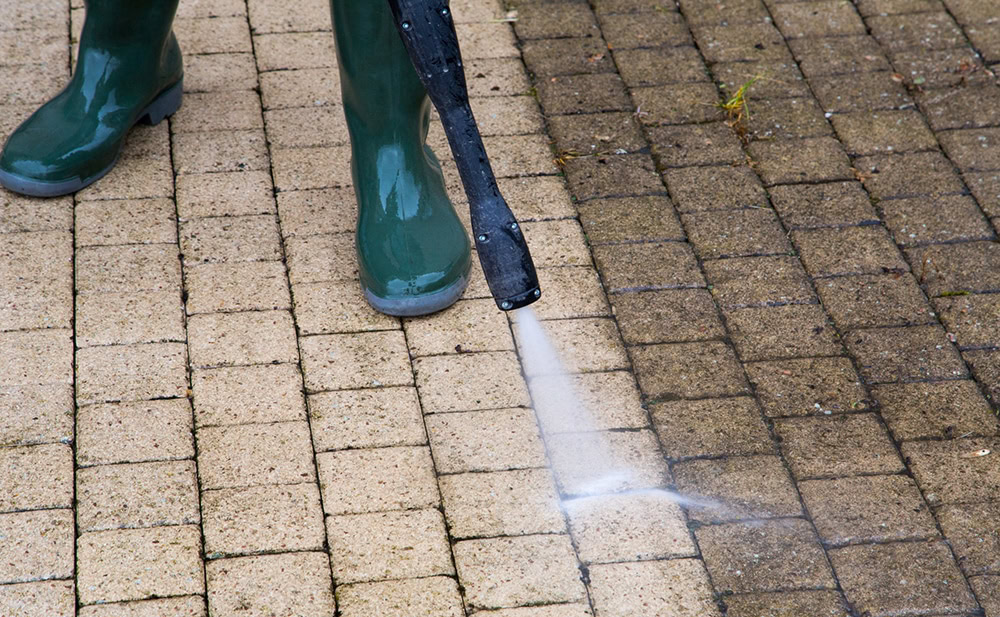
Cold water power washing relies on pressure and flow to lift material that isn’t bonded to the surface. It is lighter, quicker to set up and usually costs less per hour. For a lot of routine exterior work, it’s all you need.
Cold water works well for:
- Mud, dust and pollen on walkways and patios
- Seasonal rinses of building entrances
- Light organic buildup before it has a chance to set in
- Surfaces where heat could cause damage, such as some coatings, vinyl and older sealants
The catch is that cold water can’t dissolve grease. On an oily surface it tends to spread a thin film around, which can leave a floor more slippery than before.
Side-by-Side Comparison
| Factor | Hot Water | Cold Water |
|---|---|---|
| Best for | Oil, grease, gum, food waste, tire residue | Dirt, mud, pollen, loose debris |
| Cleaning product needed | Less, because heat does part of the work | More, if any residue is present |
| Speed on greasy areas | Faster | Slow, often incomplete |
| Equipment cost | Higher | Lower |
| Risk to delicate surfaces | Needs care on coatings and soft materials | Lower heat risk, but pressure still matters |
Surface-by-Surface Guide for Commercial Properties
Parkades
Underground and above-ground parkades collect motor oil, coolant, brake dust and winter road salt. Hot water is usually the right call for drive aisles and stalls. Many buildings pair it with parkade scrubbing so the dirty water is picked up rather than left to flow toward drains.
Entrances and walkways
For a typical lobby approach, cold water handles most of the work. Hot water becomes worthwhile if there’s gum, food spills from nearby retail, or a section where vehicles park or idle.
Dumpster pads and garbage enclosures
These areas almost always need heat. Food waste, grease and leachate bond to concrete, and odours won’t fully clear without it.
Building exteriors
Facades are usually cleaned at lower pressure, and heat is used only when the material can tolerate it. A crew should check the surface first rather than reaching for the same settings used on a parkade floor.
Water Runoff and Storm Drains
Whatever the water temperature, wash water from greasy areas shouldn’t go straight into storm drains. Municipalities across Metro Vancouver restrict what can be discharged to the storm system, and oily wash water is a common concern. Ask your contractor how they contain or recover runoff on areas like loading docks and parkades. Using eco-friendly cleaning compounds also reduces what ends up in the water to begin with.
Questions to Ask Before You Book
- Will the crew bring hot water equipment, and for which areas?
- What cleaning compounds will be used, and are they eco-friendly?
- How will runoff be handled near drains?
- Will any surfaces need lower pressure or no heat?
- Can the work be scheduled to avoid peak resident or tenant traffic?
Frequently Asked Questions
Is hot water power washing more expensive?
The hourly rate is usually higher because the equipment costs more to buy and run. On greasy surfaces, though, hot water often finishes the job faster and more completely, so the total cost can end up similar or lower than repeated cold water passes.
Can hot water damage concrete?
Properly cured concrete handles hot water well. The bigger risks are excessive pressure, the wrong nozzle or holding the wand too close. Sealers and coatings should be checked before heat is used.
How hot does the water get?
Commercial hot water units typically heat water well above tap temperature, enough to soften grease and gum. Your contractor should adjust temperature to the surface rather than running everything at maximum.
Do I need hot water for a routine spring or fall clean?
Not always. Many sites use cold water for general exterior areas and bring in hot water only for oily or high-residue zones. A walk-through is the easiest way to decide.
Getting the Right Setup for Your Property
The right answer is rarely “always hot” or “always cold.” It’s matching the equipment to each surface on your site. EcoPlanet Property Services has served strata, commercial and specialty properties across Greater Vancouver for more than 20 years, using high-pressure equipment and eco-friendly cleaning products. If you’re not sure what your property needs, request a free quote or call 604-565-5238 and we’ll walk the site with you.