

Flood Damage Restoration: What Causes Mold After a Flood | Eco Planet
Mold forms after a flood when moisture sits on an organic material, like drywall, wood, or carpet, for more than 24 to 48 hours in a warm environment. It doesn’t need standing water to start. Mold spores are already present in almost every indoor space, and they just need enough humidity to begin growing. This is exactly why fast flood damage restoration and professional disinfection services matter so much in the first day or two after water enters a home.
[Image: Close-up of mold growth in the corner of a drywall panel. Alt text: Mold growth on drywall corner after water damage]
The 24 to 48 Hour Window That Defines Flood Damage Restoration
This window is the single most important number in flood cleanup. Materials that are dried within a day or two rarely develop mold. Materials left wet past that point are at high risk, even if they look dry on the surface. This is the core reason flood damage restoration professionals treat the first 48 hours as the most critical phase of any water damage response.
Where Mold Hides After a Flood
- Behind baseboards and inside wall cavities
- Under flooring and carpet padding
- Inside HVAC ducts if the system ran during or after the flood
- Behind furniture and cabinets that block airflow
Early Warning Signs You Need Flood Damage Restoration
- A musty or earthy smell that doesn’t fade
- Discoloration on walls, baseboards, or ceilings (black, green, or white spotting)
- Increased allergy symptoms or respiratory irritation when in the space
What to Do While You Wait for Flood Damage Restoration
If you’re waiting on a restoration crew, there are a few things that genuinely help in the meantime.
- Increase airflow with fans, don’t seal the room off
- Run a dehumidifier if you have one
- Remove wet rugs, cushions, and fabric items from the space
- Avoid running the HVAC system if ductwork may have gotten wet
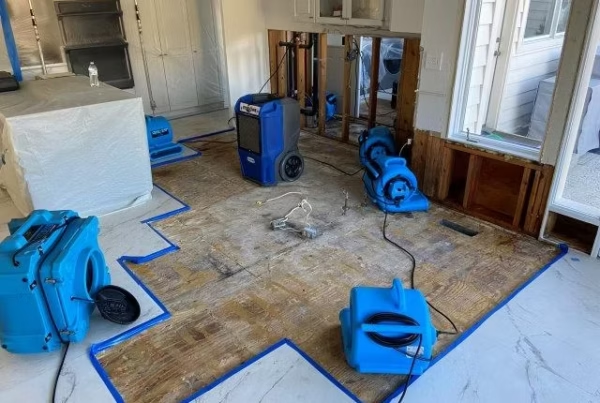
These steps won’t replace full flood damage restoration, but they can slow mold growth until a technician arrives.
Why DIY Cleanup Can’t Replace Professional Flood Damage Restoration
Scrubbing or disturbing mold without proper containment can release spores into the air, spreading the problem to areas that were never affected in the first place. This is especially risky in multi-unit buildings where airflow moves between units. Without professional disinfection services, DIY cleanup often treats the surface while leaving the underlying moisture and contamination untouched.
How Professional Flood Damage Restoration Prevents Mold Before It Starts
The most reliable way to prevent mold isn’t removing it after it appears, it’s making sure materials never stay wet long enough for it to start. That means fast extraction, thorough drying confirmed with moisture readings, and antimicrobial treatment as a preventive step, not just a reactive one. Professional flood damage restoration paired with disinfection services targets moisture and microbial risk before mold has a chance to establish, rather than treating it after the fact.
[Image: Technician applying antimicrobial treatment to a wall after water extraction. Alt text: Antimicrobial treatment being applied to prevent mold after flood]
Frequently Asked Questions
How fast can mold grow after flood damage?
Mold can begin growing within 24 to 48 hours in warm, humid conditions on wet organic material. This is why fast flood damage restoration matters more than almost anything else in flood cleanup.
Is all mold after a flood dangerous?
Some types of mold are more of a health concern than others, but any mold growth after a flood is a sign that moisture wasn’t fully addressed, and it should be professionally assessed rather than ignored.
Do I need disinfection services after a flood, even if I don’t see mold yet?
Yes. Floodwater often carries bacteria and contaminants regardless of whether mold has appeared. Professional disinfection services treat surfaces and materials to reduce health risks and help prevent mold from taking hold in the first 24 to 48 hours.


To get started, you can visit the janitorial and strata services pages on EcoPlanet.ca or reach out directly in the way that suits you best.
Call 604-565-5238, email team@ecoplanet.ca, or use the contact form at https://ecoplanet.ca/contact-us/ to request a quote or a tailored janitorial services proposal for your Metro Vancouver property. A brief conversation now can set your building up for a cleaner, easier to manage year ahead.