
Pressure washing vs power washing is one of the most common points of confusion in commercial property maintenance. Ask five people to explain the difference and you’ll probably get five different answers. Some will say there’s no difference at all. That’s not quite right, and for a commercial property owner deciding what to put in a maintenance contract, the distinction actually matters.
Both methods use pressurized water to strip dirt, grime, and buildup off hard surfaces. The difference comes down to one main variable: heat.
Pressure Washing vs Power Washing: The Core Difference
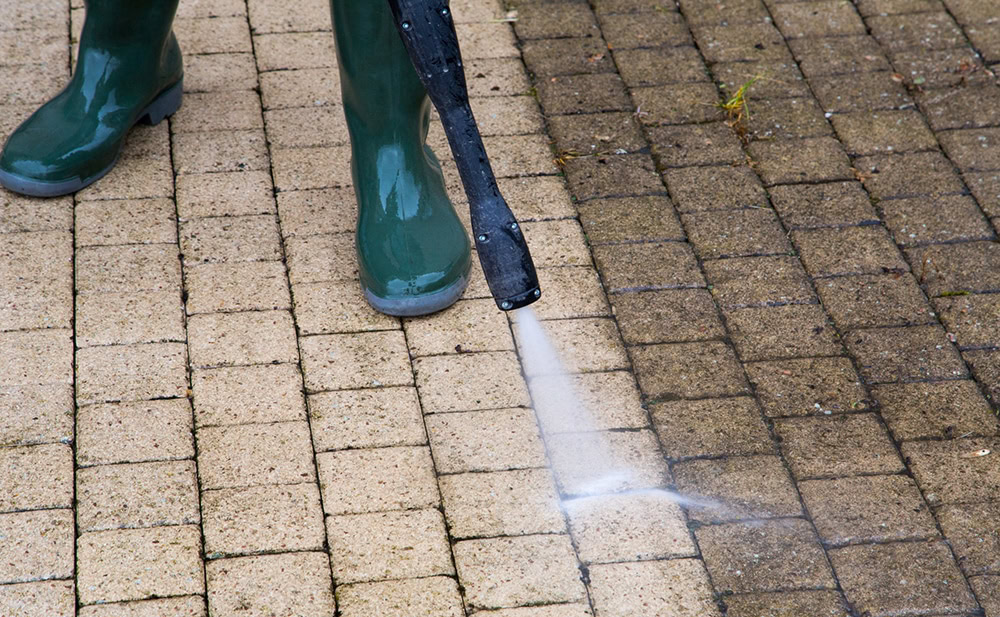
Pressure washing sprays water at high pressure, but at ambient temperature. It’s effective on loose dirt, dust, and light grime, and it’s gentler on surfaces that can’t handle heat, like certain paints, sealants, and some types of wood.
Power washing does the same thing, but with heated water, sometimes up to 200°F. The heat breaks down grease, oil, and gum in a way cold water simply can’t. That makes power washing the better choice for loading docks, parkade ramps, and any surface exposed to vehicle traffic.
Neither one is universally better. They’re suited to different jobs, and a commercial property usually needs both at different points in the year.
3 Crucial Differences That Affect Your Property
1. What they remove. Cold-water pressure washing handles dirt, dust, pollen, and algae well. Hot-water power washing is what actually lifts oil, grease, and gum.
2. Which surfaces they’re safe on. Pressure washing is safer for painted surfaces, some sidings, and materials that expand with heat. Power washing is best on durable concrete and hardscapes.
3. Where the runoff goes. Hot-water washing on vehicle areas lifts oil and contaminants that shouldn’t go straight into the storm system. In Metro Vancouver, storm drains typically flow to local streams and waterways rather than a treatment plant, so a responsible contractor manages wastewater carefully.
Why the Difference Matters for Your Contract
If your property has a mix of surfaces (siding that shouldn’t be blasted with hot water, and a parkade caked in oil stains), a contractor who only offers one method is going to underperform on half your building.
Worse, using the wrong method on the wrong surface can cause damage: forcing hot water into materials that expand and contract, or using cold pressure on grease that needs heat to actually lift.
When you’re reviewing a proposal, ask specifically which method the contractor will use where. A vague line item that just says exterior cleaning doesn’t tell you enough to know if the job will actually work.
What This Looks Like on a Real Property
A typical commercial building benefits from a mixed approach:
- Building exterior, stucco, and painted surfaces: pressure washing, done carefully to avoid forcing water behind the cladding
- Loading docks, dumpster pads, and parkade ramps: power washing, to actually break down oil and grease
- Sidewalks and entryways: either, depending on what’s built up (algae responds well to pressure washing; gum and tire marks need heat)
This is also where power scrubbing comes in for parkades specifically, since some stains need mechanical agitation on top of hot water to come out. We cover that in our piece on power scrubbing vs. power washing.
Getting Pressure Washing vs Power Washing Right the First Time
Commercial property owners don’t need to become experts in water temperature and PSI. What matters is working with a contractor who asks the right questions before quoting the job: what surfaces, what’s on them, and what the building can tolerate.
It also helps to sweep first. Loose debris washed around just moves the mess, which we explain in why power sweeping comes before power washing.
Get the Right Method for Your Building
At EcoPlanet Property Services, we’ve spent over 20 years cleaning Greater Vancouver’s commercial and strata properties, and we choose the method based on the surface, not the other way around. Every job uses eco-friendly products with no harsh chemicals. Take a look at our power washing services page, or request a free quote and we’ll tell you plainly which method your property actually needs.